

Explore Military Product Categories
MIL-STD codes, short for Military Standards, serve as a cornerstone of quality assurance and interoperability within the defense industry and beyond. Their fundamental purpose is to standardise processes, materials, and designs, ensuring that military equipment and systems meet stringent requirements for performance, reliability, and safety. These standards are not merely guidelines; they are often mandatory specifications, dictating how products are developed, tested, and maintained.
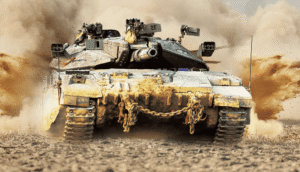 The primary use of MIL-STD codes is to guarantee equipment can withstand harsh and brutal military environments, involving extreme and demanding operational scenarios. For instance, MIL-STD-810 assesses a product’s ability to endure temperature extremes, shock, vibration, sudden decompression and other environmental extremes. This ensures that equipment performs reliably in the field and protects the safety of anyone using it. Similarly, MIL-STD-461 addresses electromagnetic compatibility, preventing interference between electronic systems that could disrupt critical operations.
Beyond environmental and electromagnetic concerns, MIL-STD codes cover a broad spectrum of technical disciplines. They define standards for electrical power characteristics (MIL-STD-1275, MIL-STD-704, MIL-STD-1399), data bus communication (MIL-STD-1553), human engineering (MIL-STD-1472), and even software development (MIL-STD-1589). This comprehensive approach ensures that all aspects of military systems are standardised, improving integration and interoperability.
 The benefits of utilising MIL-STD codes extend beyond the military sphere. Industries requiring high reliability, such as aerospace, telecommunications, and medical devices, often adopt these standards to ensure product quality and consistency. By adhering to MIL-STD codes, manufacturers can demonstrate their commitment to excellence and build trust with their customers.
MIL-STD codes also play a vital role in logistics and maintenance. Standardised parts and processes simplify procurement, repair, and replacement, reducing downtime and costs. They also help with training, as users become familiar with consistent procedures and equipment.
MIL-STD codes are a great example of the importance of standardisation in complicated systems. They provide a framework for quality, reliability, and interoperability, contributing to the effectiveness and safety of military operations and influencing best practices in many different industries.
Below we’ve listed the most common MIL-STD codes and examples of our products that comply with each standard.
Sourcing MIL-STD Certified Hardware?
We provide COTS and custom industrial solutions fully tested to MIL-STD-810, 461, and 1275 standards.
MIL-STD-810
MIL-STD-810 outlines environmental engineering considerations and laboratory tests for equipment, ensuring resilience against diverse conditions. It subjects equipment to extremes of temperature, humidity, shock, vibration, altitude, rain, sand, and dust, simulating real-world operational environments.
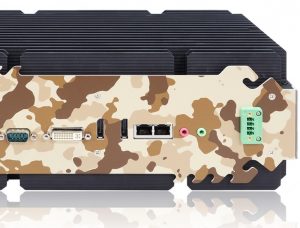 This standard is critical for validating the durability and reliability of military hardware, but its principles are also applied in commercial sectors for products needing robust performance such as rugged tablets, laptops and mobile phones. Testing is conducted in controlled laboratory settings to replicate the stresses equipment might face in the field. The goal is to identify potential weaknesses and ensure that equipment can operate effectively under harsh conditions, decreasing the need for replacements and improving overall reliability.
MIL-STD-461
MIL-STD-461 focuses on the control of electromagnetic interference (EMI) for electronic equipment, ensuring electromagnetic compatibility (EMC). It sets stringent requirements for the emission and susceptibility of electronic devices, preventing interference that could disrupt operations.
 This standard is essential for military systems where multiple electronic devices operate in close proximity. Testing includes measuring radiated and conducted emissions, as well as assessing susceptibility to electromagnetic fields and transients. Compliance ensures that equipment neither emits excessive EMI nor is vulnerable to it, maintaining system integrity and preventing operational failures. The standard is crucial for maintaining a reliable electromagnetic environment in military applications.
MIL-STD-1275
MIL-STD-1275 defines the electrical power characteristics of 28 VDC systems in military vehicles, ensuring compatibility and reliability of connected equipment. It specifies requirements for voltage transients, surges, and other power quality issues that can affect electronic devices operating in these environments. By establishing clear guidelines for power supply characteristics, this standard helps prevent damage to sensitive electronic equipment caused by fluctuations in the vehicle’s electrical system.
Testing involves simulating various power conditions to ensure equipment can withstand the stresses of a mobile military environment. Adherence to this standard is crucial for maintaining operational readiness and preventing electrical failures in military vehicles.
- Compact Military Gigabit Ethernet Managed Switch – 8 Port
- TBL08P8M Rugged Tablet
- F1-30D – Military Systems
MIL-STD-202
MIL-STD-202 provides basic environmental test methods for electronic and electrical components, ensuring they can withstand various stresses. It outlines standardised tests for temperature cycling, moisture resistance, vibration, and shock, among others. These tests simulate the conditions components might encounter during their lifecycle, from manufacturing to operational use.
 By subjecting components to these tests, manufacturers can identify potential weaknesses and ensure they meet reliability requirements. This standard is fundamental for ensuring the quality and durability of electronic components used in military and high-reliability applications, contributing to the overall performance and longevity of electronic systems.
MIL-STD-1399
MIL-STD-1399 addresses shipboard electrical power characteristics, defining requirements for AC and DC power systems on naval vessels. It ensures compatibility and reliability of connected equipment by specifying power quality parameters, including voltage, frequency, and transients.
This standard is crucial for maintaining stable and reliable power distribution on ships, where numerous critical systems operate simultaneously. Testing involves simulating various power conditions to ensure equipment can withstand the stresses of a naval environment. Adherence to this standard is vital for preventing electrical failures and maintaining operational readiness on naval vessels.
MIL-STD-1553
MIL-STD-1553 defines a digital time-division command/response multiplex data bus standard, outlining electrical and functional characteristics of a serial data bus used in military avionics and other applications. It provides a standardised method for communication between electronic devices in a system, ensuring reliable data transfer.
 This standard is essential for integrating various avionics systems, allowing for efficient and robust communication. Testing involves verifying the electrical and functional performance of the data bus to ensure it meets the standard’s requirements. Adherence to MIL-STD-1553 is crucial for maintaining interoperability and reliability in military avionics systems.
MIL-STD-464
MIL-STD-464 addresses electromagnetic environmental effects requirements for systems, going beyond component-level EMC to cover system-level requirements. It ensures that entire systems can operate in electromagnetic environments without interference or damage.
This standard is crucial for military systems that operate in complex electromagnetic environments, where multiple devices interact. Testing involves assessing the system’s ability to withstand various electromagnetic stresses, including radiated and conducted emissions, as well as susceptibility to fields and transients. Compliance ensures that the system as a whole maintains electromagnetic compatibility, preventing operational failures and ensuring mission success.
MIL-STD-704
MIL-STD-704 defines the electrical power characteristics of aircraft electrical systems, specifying requirements for AC and DC power, including voltage, frequency, and transients. It ensures that equipment operating in aircraft can function reliably under various power conditions.
 This standard is critical for maintaining stable and reliable power distribution in aircraft, where numerous critical systems operate. Testing involves simulating various power conditions to ensure equipment can withstand the stresses of an airborne environment. Adherence to this standard is vital for preventing electrical failures and maintaining operational readiness in aircraft.
- MILTECH 918 Compact Military Gigabit Ethernet Managed Switch – 8 Port
- HORUS200 Military System
- CLOUD12-P28 – Military Systems
MIL-STD-3009
MIL-STD-3009 covers light emissions from military equipment, particularly as they relate to night vision devices. It sets requirements for limiting infrared and visible light emissions to prevent detection.
This standard is crucial for maintaining stealth and operational security in night-time operations. Testing involves measuring light emissions to ensure they meet the standard’s requirements. Adherence to this standard helps prevent detection by enemy forces, enhancing the effectiveness of military operations in low-light conditions.
MIL-STD-167
MIL-STD-167 deals with mechanical vibrations of shipboard equipment, setting requirements for vibration testing to ensure that equipment can withstand the vibrations encountered on naval vessels.
his standard is vital for maintaining the reliability and performance of shipboard equipment in harsh environments. Testing involves subjecting equipment to various vibration frequencies and amplitudes to ensure it can withstand the stresses of a naval environment. Adherence to this standard helps prevent mechanical failures and maintains operational readiness on naval vessels.
MIL-STD-1916
MIL-STD-1916 focuses on the design of highly reliable electronic systems, providing guidelines and requirements for ensuring that electronic equipment can function reliably in demanding applications.
This standard is mandatory for military systems that require high reliability and availability. Testing involves assessing the design and manufacturing processes to ensure they meet the standard’s requirements. Adherence to this standard helps prevent failures and maintains operational readiness in critical applications.
MIL-STD-1472
MIL-STD-1472 deals with human engineering design criteria for military systems, equipment, and facilities, aiming to optimise the interaction between humans and systems. It sets requirements for the design of user interfaces, controls, displays, and other aspects of systems to ensure they are easy to use and minimise human error. This standard is crucial for maintaining operational effectiveness and safety in military applications. Testing involves evaluating the design of systems to ensure they meet the standard’s requirements. Adherence to this standard helps prevent human error and enhances the effectiveness of military operations.
MIL-STD-901
 MIL-STD-901 deals with shock tests for shipboard machinery and equipment, ensuring that equipment can withstand the shock effects of underwater explosions. This standard is crucial for maintaining the survivability and operational readiness of naval vessels in combat situations.
Testing involves subjecting equipment to shock pulses to ensure it can withstand the stresses of an underwater explosion. Adherence to this standard helps prevent damage to critical systems and maintains the operational capability of naval vessels.
MIL-STD-662
MIL-STD-662 covers V50 ballistic test for armor, providing a standardised method for evaluating the ballistic resistance of armor materials. It determines the velocity at which a projectile has a 50% probability of penetrating the armor.
This standard is crucial for ensuring the effectiveness of armor in protecting personnel and equipment. Testing involves firing projectiles at armor samples to determine their ballistic resistance. Adherence to this standard helps ensure that armor meets the required protection levels.
MIL-STD-2169
MIL-STD-2169 deals with the high-altitude electromagnetic pulse (HEMP) environment, specifying requirements for equipment to withstand the effects of a nuclear electromagnetic pulse.
This standard is crucial for ensuring the survivability of critical systems in the event of a nuclear attack. Testing involves simulating the effects of a HEMP event to ensure that equipment can withstand the stresses. Adherence to this standard helps maintain the operational capability of critical systems in a nuclear environment.
MIL-STD-130
MIL-STD-130 covers identification marking of U.S. military property, specifying requirements for marking equipment with information such as part numbers, serial numbers, and manufacturer information.
This standard is crucial for maintaining traceability and accountability of military equipment. Testing involves verifying that markings meet the standard’s requirements. Adherence to this standard helps ensure that equipment can be properly identified and tracked, supporting maintenance and logistics operations.
MIL-STD-1541
MIL-STD-1541 addresses electromagnetic compatibility requirements for space systems, ensuring that equipment operating in space environments can function without interference. It sets stringent standards for emissions and susceptibility, considering the unique challenges of space, such as vacuum, radiation, and extreme temperature variations.
This standard is essential for maintaining the operational integrity of satellites and other space-based assets, where failures can have significant consequences. Testing involves simulating the space environment and assessing the equipment’s ability to withstand electromagnetic stresses. Adherence to this standard is vital for ensuring the reliability and longevity of space systems, contributing to mission success.
MIL-STD-469
MIL-STD-469 deals with radar electromagnetic compatibility, setting requirements for controlling interference from radar systems. It specifies limits for emissions and susceptibility, ensuring that radar systems can operate effectively without disrupting other electronic devices.
 This standard is important for maintaining the performance of radar systems in military applications, where multiple devices operate in close proximity. Testing involves measuring radiated and conducted emissions, as well as assessing susceptibility to electromagnetic fields and transients. Compliance ensures that radar systems neither emit excessive EMI nor are vulnerable to it, maintaining operational integrity and preventing failures.
MIL-STD-1760
MIL-STD-1760 defines the electrical interface between an aircraft and its externally carried stores, such as bombs and missiles. It standardises the communication and power connections, ensuring compatibility and reliability of the interface.
This standard is necessary for maintaining the effectiveness of aircraft weapon systems, allowing for seamless integration and operation of various stores. Testing involves verifying the electrical and functional performance of the interface to ensure it meets the standard’s requirements. Adherence to MIL-STD-1760 is vital for maintaining interoperability and reliability in military aircraft systems, contributing to mission success.
MIL-STD-217
MIL-STD-217, now canceled, was used for reliability prediction of electronic equipment. It provided methodologies for estimating the failure rates of electronic components and systems, allowing for the assessment of reliability during the design phase. Although officially canceled, its principles are still sometimes utilised in reliability engineering. It provided a structured approach to reliability prediction, ensuring that products met specified reliability levels.
 The standard’s methodology allowed for efficient and statistically valid estimations, helping to maintain consistent reliability in manufacturing processes. While no longer in active use, the concepts of MIL-STD-217 continue to influence modern reliability engineering practices.
MIL-STD-1589
MIL-STD-1589 deals with software engineering, providing guidelines and requirements for the development and maintenance of software used in military systems. It covers various aspects of the software lifecycle, including requirements analysis, design, coding, testing, and documentation.
This standard is crucial for ensuring the quality and reliability of software in critical applications. Testing involves verifying that software meets the standard’s requirements, including functional and performance testing. Adherence to this standard helps prevent software failures and maintains operational readiness in military systems.
MIL-STD-1556
MIL-STD-1556 covers digital time division command/response multiplex data bus, much like 1553, but has some different applications and specifications. It defines the electrical and functional characteristics of a serial data bus used in various applications, ensuring reliable data transfer.
This standard is essential for integrating electronic devices in a system, allowing for efficient and robust communication. Testing involves verifying the electrical and functional performance of the data bus to ensure it meets the standard’s requirements. Adherence to MIL-STD-1556 is crucial for maintaining interoperability and reliability in systems.
MIL-STD-1686
MIL-STD-1686 deals with electrostatic discharge (ESD) control, setting requirements for protecting electronic equipment from damage caused by ESD. It specifies procedures for handling and grounding equipment, as well as requirements for ESD protective materials.
This standard is crucial for maintaining the reliability of electronic components and systems, which can be damaged by even small amounts of static electricity. Testing involves simulating ESD events to ensure that equipment can withstand the stresses. Adherence to this standard helps prevent damage to critical systems and maintains operational readiness.
MIL-STD-188
MIL-STD-188 covers telecommunications standards, including various standards related to communication systems, data transmission, and network protocols. It ensures interoperability and reliability of communication systems used by the military.
This standard is vital for maintaining secure and reliable communication in military operations. Testing involves verifying that communication systems meet the standard’s requirements, including performance and security testing. Adherence to this standard helps ensure that communication systems can operate effectively in various environments.
MIL-STD-1630
MIL-STD-1630 relates to fiber optic cables and connectors, specifying requirements for the performance and reliability of these components. It ensures that fiber optic systems can withstand the stresses of military applications, including vibration, shock, and temperature extremes.
This standard is required to maintain the integrity of fiber optic communication links in military systems. Testing involves subjecting cables and connectors to various environmental stresses to ensure they meet the standard’s requirements. Adherence to this standard helps prevent failures and maintains operational readiness.
MIL-STD-1521
MIL-STD-1521, now canceled, was used for technical reviews and audits for systems engineering. It provided guidelines for conducting reviews and audits to ensure that systems met specified requirements. Although officially canceled, its principles are still sometimes utilised in systems engineering. It provided a structured approach to reviews and audits, ensuring that products met specified quality levels. The standard’s methodology allowed for efficient and statistically valid inspections, helping to maintain consistent quality in systems engineering processes.
MIL-STD-1576
MIL-STD-1576 deals with electromagnetic interference characteristics, requirements for equipment used in aircraft. It specifies limits for emissions and susceptibility, ensuring that aircraft electronic devices can operate effectively without disrupting other systems.
This standard is required for maintaining the performance of aircraft systems in military applications, where multiple devices operate in close proximity. Testing involves measuring radiated and conducted emissions, as well as assessing susceptibility to electromagnetic fields and transients. Compliance ensures that aircraft systems neither emit excessive EMI nor are vulnerable to it, maintaining operational integrity and preventing failures.
MIL-STD-882
MIL-STD-882 covers system safety, providing guidelines for identifying and mitigating hazards in military systems. It specifies requirements for hazard analysis, risk assessment, and safety management, ensuring that systems are designed and operated to minimise risks.
This standard is crucial for maintaining the safety of personnel and equipment in military applications. Testing involves verifying that systems meet the standard’s requirements, including hazard analysis and risk assessment. Adherence to this standard helps prevent accidents and maintains operational readiness.
MIL-STD-1567
MIL-STD-1567 relates to work measurement, providing guidelines for measuring and improving the efficiency of work processes in military applications. It specifies requirements for work sampling, time studies, and other techniques for measuring work performance.
Maintaining productivity and efficiency in military operations is the main objective of this standard. Testing involves verifying that work processes meet the standard’s requirements, including work sampling and time studies. Adherence to this standard helps improve work performance and maintain operational readiness.
MIL-STD-1530
MIL-STD-1530 deals with aircraft structural integrity programs, providing guidelines for ensuring the structural integrity of aircraft throughout their lifecycle. It specifies requirements for design, testing, and maintenance, ensuring that aircraft structures can withstand the stresses of flight.
The safety and reliability of aircraft in military applications are significantly enhanced by this standard. Testing involves verifying that aircraft structures meet the standard’s requirements, including fatigue and fracture testing. Adherence to this standard helps prevent structural failures and maintains operational readiness.
MIL-STD-1629
MIL-STD-1629 covers failure mode, effects, and criticality analysis (FMECA), providing a systematic approach to identifying potential failures in a system and assessing their impact. It specifies requirements for analyzing failure modes, assessing their effects, and determining their criticality.
The standard plays a vital role in maintaining the reliability and safety of critical systems in military applications. Testing involves verifying that FMECA meets the standard’s requirements, including failure mode analysis and risk assessment. Adherence to this standard helps prevent failures and maintains operational readiness.
MIL-STD-1222
 MIL-STD-1222 deals with the structural integrity of aerospace vehicle structures, providing guidelines for ensuring that aircraft and spacecraft structures can withstand the stresses of flight and space environments. It specifies requirements for design, testing, and maintenance, ensuring that structures meet the required strength and durability.
The safety and reliability of aerospace vehicles in military applications heavily depend on this standard. Testing involves verifying that structures meet the standard’s requirements, including fatigue and fracture testing. Adherence to this standard helps prevent structural failures and maintains operational readiness.
MIL-STD-1246
MIL-STD-1246 covers cleanliness levels and contamination control programs, specifying requirements for maintaining cleanliness in sensitive environments, such as space systems and optical instruments. It sets limits for particulate and molecular contamination, ensuring that equipment can function reliably in these environments.
The performance and reliability of sensitive equipment in military applications is supported by this standard. Testing involves verifying that equipment meets the standard’s requirements, including particulate and molecular contamination testing. Adherence to this standard helps prevent failures and maintains operational readiness.
Sourcing MIL-STD Certified Hardware?
We provide COTS and custom industrial solutions fully tested to MIL-STD-810, 461, and 1275 standards.
Complete List of all MIL-STD Codes
| MIL-STD Code | Description |
| MIL-STD-1541 | Electromagnetic compatibility requirements for space systems. |
| MIL-STD-1576 | Electromagnetic interference for aircraft equipment. |
| MIL-STD-1619 | Electromagnetic Vulnerability of Aircraft Systems. |
| MIL-STD-1686 | Electrostatic discharge (ESD) control. |
| MIL-STD-2169 | High-altitude electromagnetic pulse (HEMP) environment. |
| MIL-STD-461 | Control of electromagnetic interference (EMI) for electronic equipment. |
| MIL-STD-464 | Electromagnetic environmental effects requirements for systems. |
| MIL-STD-469 | Radar electromagnetic compatibility. |
| MIL-STD-1275 | Electrical power characteristics of 28 VDC systems in military vehicles. |
| MIL-STD-704 | Electrical power characteristics of aircraft electrical systems. |
| MIL-STD-1399 | Shipboard electrical power characteristics. |
| MIL-STD-167 | Mechanical vibrations of shipboard equipment. |
| MIL-STD-1680 | Environmental Test Methods and Engineering Guidelines for Naval Shipboard Equipment. |
| MIL-STD-901 | Shock tests for shipboard machinery and equipment. |
| MIL-STD-1222 | Structural Integrity of Aerospace Vehicle Structures. |
| MIL-STD-1568 | Materials and Processes for Corrosion Prevention and Control in Aerospace Weapon Systems. |
| MIL-STD-105 | (Canceled) Acceptance sampling by attributes for quality control. |
| MIL-STD-1246 | Cleanliness Levels and Contamination Control Program. |
| MIL-STD-130 | Identification marking of U.S. military property. |
| MIL-STD-1323 | Preparation and Electronic Soldering of Electronic Assemblies. |
| MIL-STD-1385 | Prepackaged Application Software Quality Evaluation. |
| MIL-STD-1441 | Fracture Control of Aircraft Structures. |
| MIL-STD-1472 | Human engineering design criteria for military systems. |
| MIL-STD-1521 | (Canceled) Technical reviews and audits for systems engineering. |
| MIL-STD-1530 | Aircraft structural integrity programs. |
| MIL-STD-1537 | Electrical Connectors, Filters and Capacitors, Selection and Application. |
| MIL-STD-1553 | Digital time-division command/response multiplex data bus standard. |
| MIL-STD-1556 | Digital time division command/response multiplex data bus. |
| MIL-STD-1562 | List of Standard Parts for Use in Military Equipment. |
| MIL-STD-1567 | Work measurement. |
| MIL-STD-1589 | Software engineering. |
| MIL-STD-1629 | Failure mode, effects, and criticality analysis (FMECA). |
| MIL-STD-1630 | Fiber optic cables and connectors. |
| MIL-STD-1760 | Electrical interface between aircraft and externally carried stores. |
| MIL-STD-188 | Telecommunications standards. |
| MIL-STD-1916 | Design of highly reliable electronic systems. |
| MIL-STD-202 | Basic environmental test methods for electronic and electrical components. |
| MIL-STD-217 | (Canceled) Reliability prediction of electronic equipment. |
| MIL-STD-3009 | Light emissions from military equipment, particularly night vision. |
| MIL-STD-662 | V50 ballistic test for armor. |
| MIL-STD-810 | Environmental engineering considerations and laboratory tests for equipment. |
| MIL-STD-882 | System safety. |