

Explore Unmanned & Autonomous Systems Hardware
Embedded computers are a vital application for many sectors and industries. But what is an embedded computer, and why are they so important? For engineers working in industries such as automation, transport, energy, and beyond, understanding the significance and applications of embedded computers is pivotal. In this blog post, we’ll aim to answer any questions surrounding embedded computers, exploring their diverse applications and their transformative impact on engineering processes.
What is an embedded computer system?
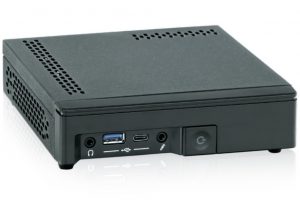
Embedded computers are specialised computing devices seamlessly integrated into larger systems to perform dedicated tasks. Unlike desktops and laptops, these compact powerhouses are designed to perform specific functions, so they are ideal for a wide range of applications.
Embedded computers encompass a wide range of computing types and sizes, such as industrial, rugged, and edge servers. They are also known by other names such as Industrial PC, Embedded Box PC, Compact PC and Gateways.
What are the benefits of embedded computer systems?
Using embedded computer systems for various applications comes with many benefits. These include:
Reliability:
Embedded computers are designed to perform specific tasks with high reliability and stability. This reliability is crucial in mission-critical applications, where downtime can lead to significant financial losses.
Space Saving and Power Efficiency:
Embedded computers are designed to work optimally in constrained environments due to their compact size and energy efficiency. They are therefore ideal for applications that require low power consumption and are often built using industrial Mini-ITX motherboards to ensure they fit where a normal system would not.
Cost-Effectiveness:
By focusing on specific functions, embedded computers often provide a cost-effective solution compared to general-purpose computers. This makes them an attractive choice for industries where budget constraints are a concern.
Low Maintenance:
As embedded computers are the heart of complex systems, it’s important that they can function with very little need for maintenance. Most embedded computers are built-into engineered enclosures that protect the system from environmental factors such as dust, vibrations and extreme temperatures.

How are embedded computer systems used?
Embedded computers are used all over the world for applications ranging from digital signage to factory product line control. For computer engineers, they are an integral part used in many industries and sectors including:
Types of embedded systems
Embedded computing systems can vary in size, performance and functions. For example, mobile embedded systems are used for systems that are designed to be portable, standalone embedded systems are designed to perform independently without belonging to a host system, and networked embedded systems are systems that are connected to a network.
Conclusion
Many diverse applications rely on embedded systems for innovation and efficiency. In engineering, embedded systems offer new possibilities for creativity and problem-solving. Embedded computers are critical to staying at the forefront of industrial engineering in a range of sectors, including automation, transportation, and energy.
Embedded PC systems from Industrial Computers
Industrial Computers are experts in industrial and embedded computers. Our team can build you a bespoke embedded PC that suits your requirements for your application. Take a look at our product range and enquire now to speak with one of our professionals.